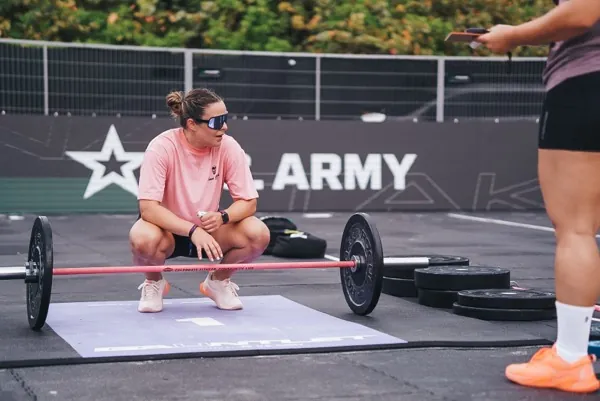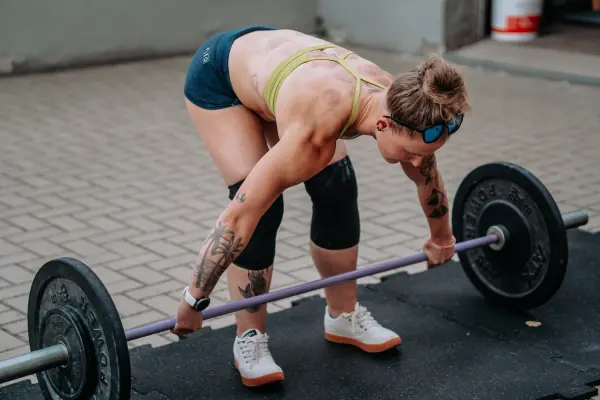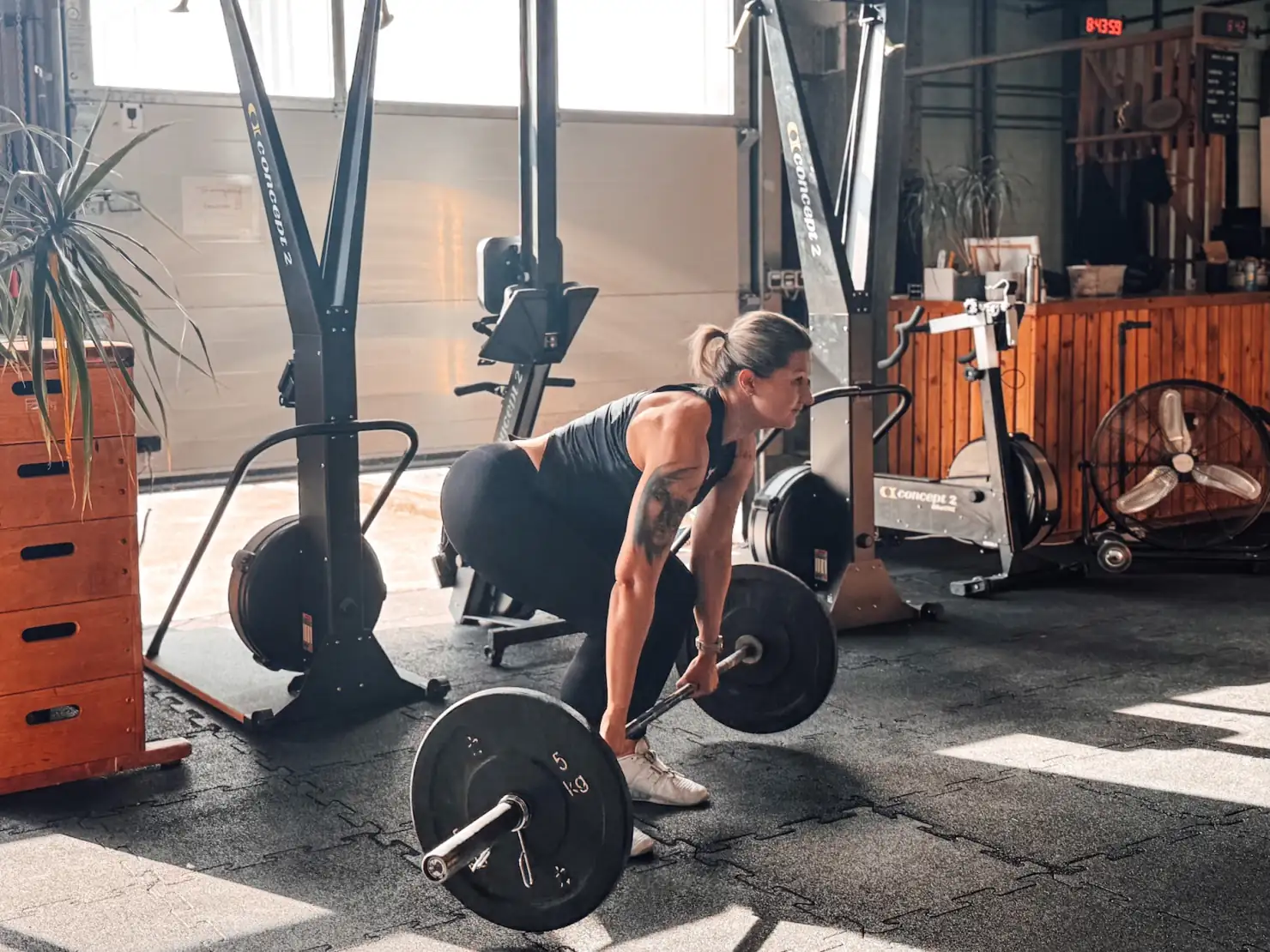
Cluster training breaks one long set into smaller blocks of reps, with short rest periods in between.
Sounds like you’re making things easier? Not quite. These mini-breaks can actually help you maintain your performance and complete more quality reps, even when lifting heavy weights.
But how exactly do cluster sets work, what are the benefits, and how can you incorporate them into your strength training?
What Is Cluster Training?

Cluster training involves splitting a set into smaller groups of repetitions, called clusters. Between these clusters, you take short breaks, usually around 10 to 30 seconds.
Normally, you might perform six Back Squats in a row before taking a longer rest between sets. With cluster set training, you divide those same six reps into three blocks of two.
Here’s what that looks like:
Traditional set: 6 Back Squats → 2–3 minutes rest
Cluster set: 2 Back Squats → 20 seconds rest → 2 Back Squats → 20 seconds rest → 2 Back Squats → 2–3 minutes rest
In both cases, you complete six repetitions. The difference is how you distribute them.
The short breaks within a cluster set give your muscles a chance to partially recover. This can help you maintain greater movement speed and better rep quality compared to performing all repetitions without a break.
Cluster Sets vs. Rest-Pause Training: What’s the Difference?
At first glance, the two methods look pretty similar: Both involve taking short breaks within a set. The main difference is how you use those breaks and what you’re trying to achieve.
With traditional rest-pause training, you typically start with a challenging set close to muscular failure. After a short break, you perform additional reps, often pushing close to your limit again.
With cluster training, the breaks are planned from the beginning. You deliberately divide your repetitions into smaller blocks to keep your performance as consistent as possible.
While rest-pause training – much like drop sets – is often used as an intensity technique for muscle growth, cluster sets typically focus on strength, power, and maintaining the quality of individual repetitions.
What Are the Benefits of Cluster Training?

Cluster sets aren’t automatically better than traditional sets. However, they can offer certain advantages, especially when you’re lifting heavy weights or performing explosive movements.
1. You Can Maintain Your Rep Speed
During heavy or explosive exercises, the final repetitions of a set often become noticeably slower. That’s exactly where the short breaks can help.
Instead of performing six consecutive reps, you complete three blocks of two. This gives you a moment to catch your breath between clusters and approach the next reps with slightly less fatigue.
This can be particularly useful for exercises like Back Squats, Front Squats, Push Presses, or other movements where powerful execution matters.
2. You Can Reduce Fatigue Within a Set
Cluster training won’t suddenly make heavy weights feel light. However, the short breaks can help prevent fatigue from building up as quickly within a set.
That can make it easier to stay focused and maintain good technique, even during the later repetitions.
One thing to remember: Less fatigue within a set doesn’t automatically mean your entire workout will be less demanding.
3. You Can Target Strength and Power
When you’re working on maximal strength or explosive power, the quality of your repetitions matters.
Cluster sets for strength allow you to train with relatively heavy loads without having to complete every repetition back-to-back.
However, cluster training isn’t a substitute for a well-structured training program. How much you benefit depends on factors such as the exercise, weight, rest periods, and your training experience.
Cluster Sets vs. Traditional Sets: What Does Science Say?
The benefits of cluster training aren’t just theoretical. A 2026 meta-analysis examined 37 studies to investigate how different set structures affect movement velocity during resistance training.
The findings? Cluster sets helped athletes maintain movement velocity more effectively within a set compared to traditional sets without intra-set rest periods. That’s particularly interesting for training sessions where the goal is to perform repetitions as explosively as possible.
However, maintaining higher movement velocity doesn’t automatically translate into greater strength gains. Another meta-analysis found no significant long-term differences between cluster sets and traditional sets in strength or muscle growth.
So, cluster training is primarily another tool for managing fatigue within a set – not necessarily a shortcut to getting stronger.
How to Use Cluster Sets in Your Training

You don’t need a complicated training program to get started. The easiest approach is to choose a familiar strength exercise and simply change how you distribute the repetitions.
Example 1: Cluster Sets for Back Squats
4 cluster sets:
- 2 Back Squats
- Rest 20 seconds
- 2 Back Squats
- Rest 20 seconds
- 2 Back Squats
- Rest 2–3 minutes between sets
Choose a challenging weight that allows you to complete every repetition with good technique and control. As a general guideline, you could start with around 75–85% of your one-rep max (1RM). However, the right load depends on your training experience and individual capabilities.
Compared to performing six consecutive reps, the short breaks can help you minimize the loss of movement speed during the later repetitions.
Example 2: Cluster Sets for Strict Press
You can also use cluster sets for Strict Press when you want to lift heavier weights while maintaining good technique.
3 cluster sets:
- 2 Strict Press
- Rest 15 seconds
- 2 Strict Press
- Rest 15 seconds
- 2 Strict Press
- Rest 2 minutes between sets
Focus on moving the barbell with control during every repetition. The short breaks are meant to help you maintain your performance, not encourage you to choose a weight you can barely lift with proper form.
Example 3: Cluster Sets for Pull-ups
Cluster training isn’t limited to barbell exercises. You can also divide your Strict Pull-ups into smaller blocks of repetitions.
3 cluster sets:
- 2 Strict Pull-ups
- Rest 20 seconds
- 2 Strict Pull-ups
- Rest 20 seconds
- 2 Strict Pull-ups
- Rest 2 minutes between sets
This approach can be particularly useful if you can’t yet complete six clean Pull-ups in a row but can manage several sets of two with short breaks in between.
Choose a rep count that doesn’t take you to muscular failure during the first cluster. Otherwise, your cluster workout can quickly turn into a rest-pause session.
How Often Should You Do Cluster Training?
You don’t need to turn every strength session into a cluster workout. When you’re getting started, it’s enough to occasionally use the method for one of your main lifts.
Pay attention to how your rep quality, movement speed, and fatigue change. If the short breaks help you maintain your performance and your technique stays solid even with heavier weights, you can start incorporating cluster sets more deliberately into your training program.
Cluster Training: Small Breaks, Big Difference?
Cluster training doesn’t necessarily change how many reps you perform, but how you distribute them. And that can make a real difference when you’re trying to maintain consistent performance during heavy or explosive exercises.
With the SmartWOD Workout Generator, you can find Strength and Accessory workouts or create your own training sessions. And the SmartWOD Timer helps you keep track of your rest periods – so those 20-second breaks don’t accidentally turn into two minutes.