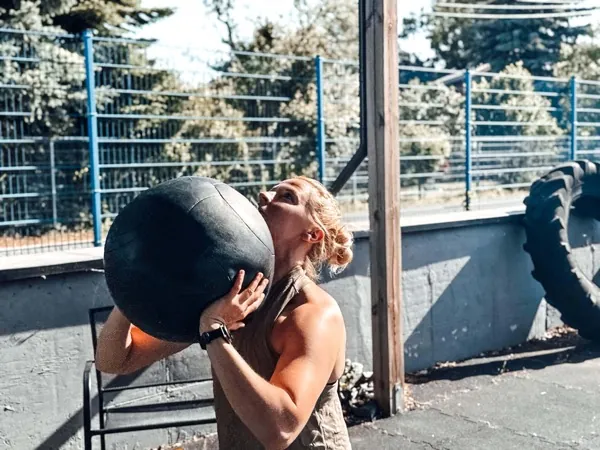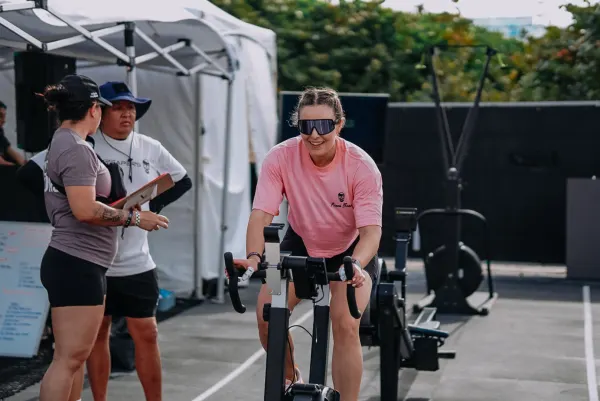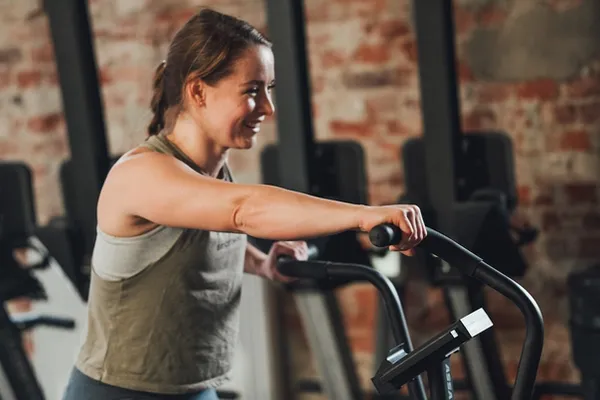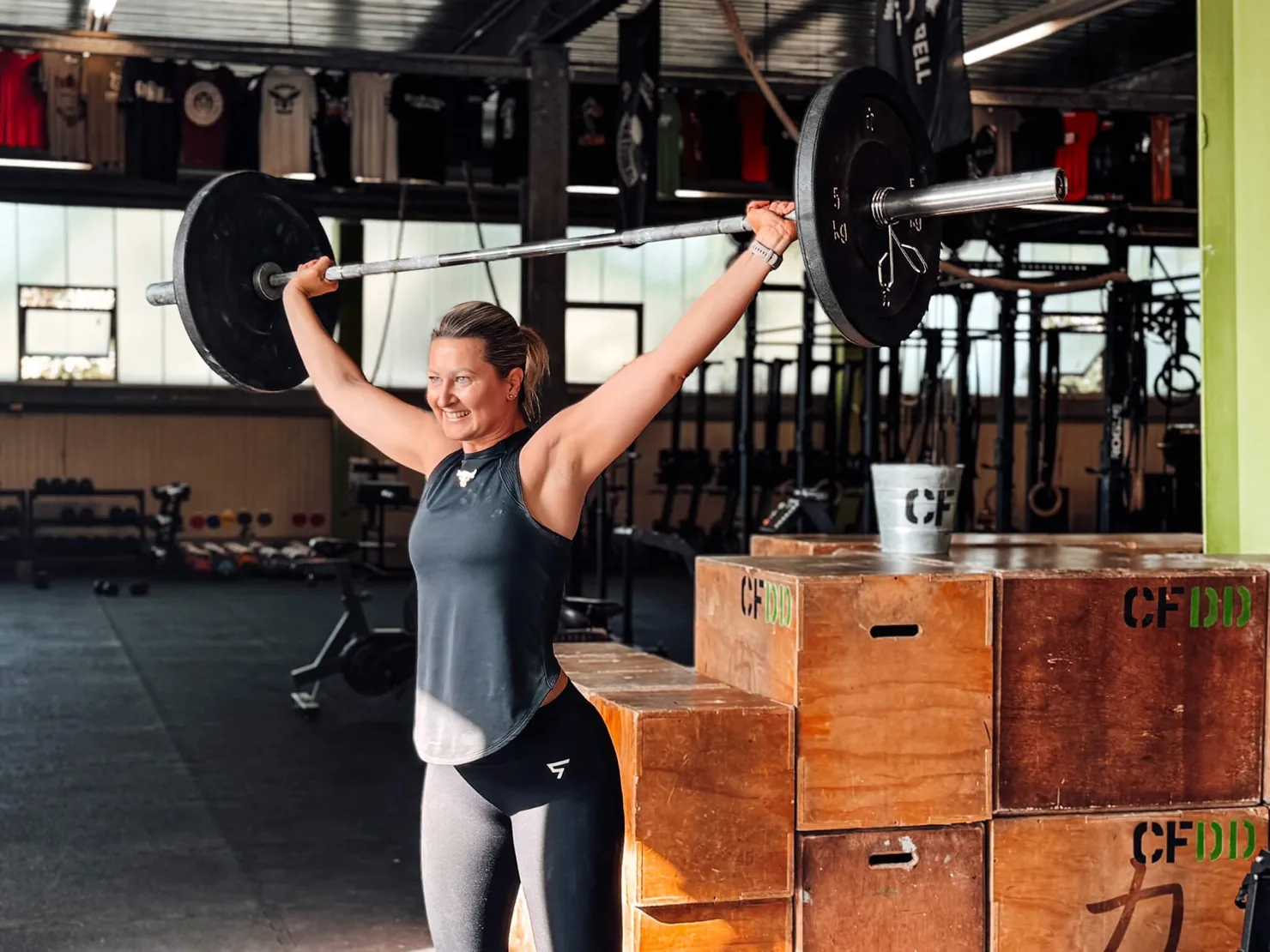
A minute ago you were questioning your life choices during the last burpees — and ten minutes later you're sitting on the floor, completely spent, yet feeling pretty good about the world.
How does that work?
The fact that you often feel better after a workout than before isn't your imagination. Exercise influences a whole range of processes in your brain and body, and this is usually where the so-called happy hormones enter the conversation.
But which happy hormones are actually released during exercise? And do you really have to completely destroy yourself every time to get the mood boost?
Why Exercise Can Affect Your Mood
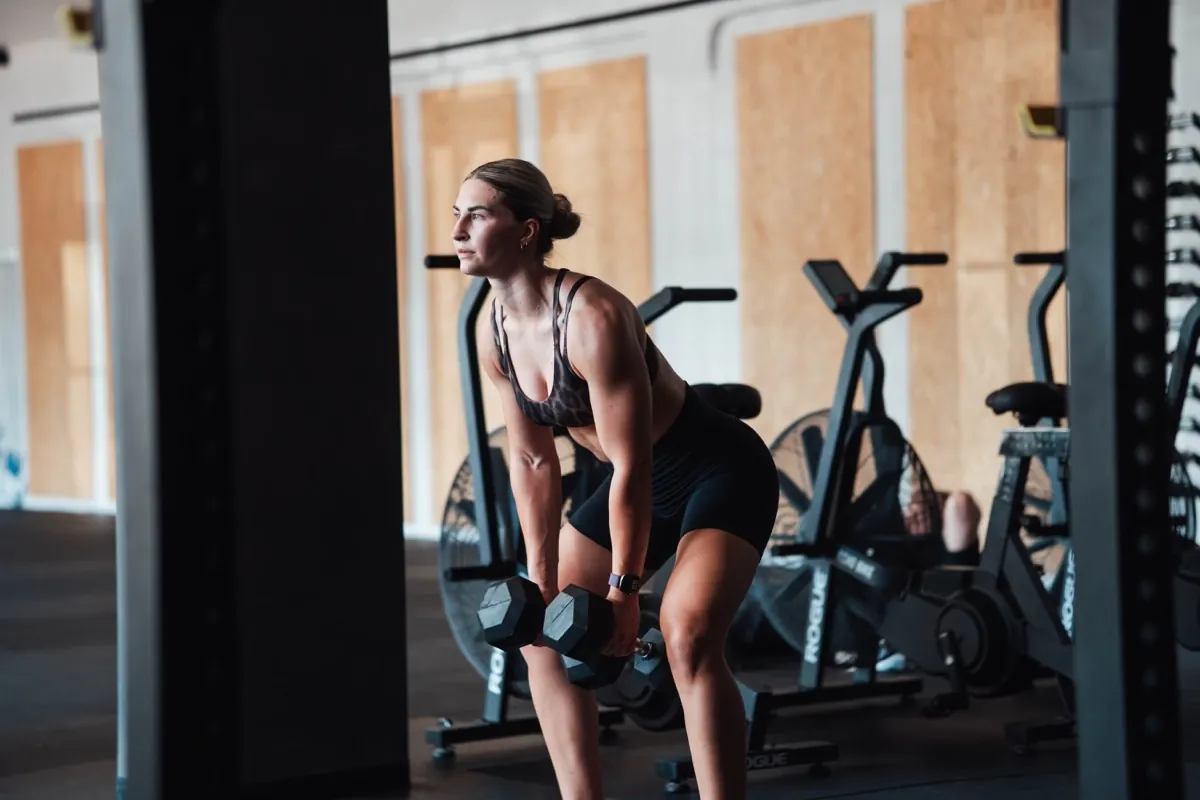
First things first: "happy hormones" is not a scientific term. It refers to various hormones, neurotransmitters and other messengers that are involved in mood, motivation, reward, stress responses and how we perceive pain.
And quite a lot of that happens during exercise.
Physical activity influences systems around dopamine, serotonin, endorphins and endocannabinoids, among others. How exactly these mechanisms interact and how much individual messengers contribute to the positive effects of exercise is complex, though.
Even more important: the fact that training can feel good isn't down to biochemistry alone. Self-efficacy, self-esteem, social connection and the feeling of making progress are also among the mechanisms through which physical activity can influence our wellbeing.
In short: that good feeling after a workout probably doesn't come from a single switch in your brain, but from a pretty complex interplay.
Which Happy Hormones Are Released During Exercise?
Let's take a closer look at the messengers that keep getting linked to exercise and a good mood: dopamine, serotonin, endorphins and endocannabinoids.
Dopamine: when progress feels really good
New PR. First rope climb. Finally ten double unders in a row.
Achievements like these don't just feel good — they also engage the reward and motivation system of your brain, in which dopamine plays an important role.
Dopamine is often called a "happy hormone". It would be more accurate to call it an important messenger for motivation, learning and reward. And that's exactly what makes it so interesting for training.
When you notice that your effort is paying off, it can strengthen your motivation to keep going. Progress doesn't always have to be a new personal record. Sometimes the feeling is enough: the pull-ups went better today than last week.
Serotonin: more than just a good mood
Serotonin appears on almost every list of happy hormones too.
The messenger is involved in regulating your mood and your sleep, among other things. Studies show that physical activity can influence your serotonin balance.
It's not quite as simple as "exercise = more serotonin = better mood", though. What happens in your brain during and after training is considerably more complex.
Still: regular exercise can have a positive effect on your mood and wellbeing — and serotonin is one of several messengers that play a part in it.
Endorphins: the most famous happy hormones in exercise
No conversation about exercise and good moods would be complete without endorphins — they are probably the best-known candidates.
Your body releases them during intense exertion, among other situations. They can dampen pain and make effort feel less unpleasant.
And the famous runner's high? For a long time, endorphins were thought to be mainly responsible for that euphoric feeling during or after prolonged exertion. Today we know: it's not quite that simple.
Several messengers probably work together — including the so-called endocannabinoids. Let's look at those next.
Endocannabinoids: the underrated mood boosters
Less well known, but at least as fascinating, are the so-called endocannabinoids. Your body produces these messengers itself and uses them to regulate mood, stress and pain, among other things.
Exercise can stimulate the release of endocannabinoids too. And this brings us back to the runner's high: that relaxed, sometimes even euphoric feeling after prolonged exertion doesn't seem to come from endorphins alone. Endocannabinoids probably play an important role as well.
The exciting part: this effect isn't reserved for runners. Other forms of endurance training can trigger similar processes in your body. So you don't necessarily need a half marathon to feel pretty great after training.
Happy Hormones: Why You Often Feel So Good After a Workout
This is where it gets especially interesting for functional fitness. Because after a really good workout, you probably don't think:
"Wow, my endocannabinoid levels must be fantastic today."
You think:
"Great workout."
And besides the physical processes, there are some pretty tangible reasons for that.
You accomplished something
A workout has a clear beginning and a clear end. Maybe there are twelve minutes on the SmartWOD Timer. Maybe you have to complete five rounds. Maybe a fixed number of reps is waiting for you.
At some point, you're done. And that immediate feeling of having completed a task is surprisingly rare in everyday life. In training, you get it all the time.
You can see your progress
Five pull-ups today, ten in three months. Or a 60 kg deadlift last year and 100 today.
Progress in functional fitness is often very concrete. New skills, more weight, faster times or more rounds make visible what you've already achieved — and the PR feature in the SmartWOD Workout Generator keeps track of it for you.
That's not just motivating — it can also strengthen your self-efficacy: the confidence that you can overcome challenges through your own effort.
Your head finally gets a break
While you're trying to get your last thrusters cleanly overhead, there's surprisingly little mental capacity left for this morning's unanswered email.
Training more or less forces you into the here and now.
You count reps, focus on your technique, breathe, and try not to fall off the rowing machine.
For a while, everything revolves around the task in front of you. And sometimes that's exactly the break your head needed.
You train with others
Functional fitness is rarely a lonely hobby. You suffer together with others, cheer them on, and sometimes you're almost as happy about their PR as about your own.
That's not just nice for the sense of community. Social support and social connection are also among the factors through which physical activity is linked to better mental wellbeing.
So maybe the good feeling after a workout sometimes isn't just about the workout itself — but also about the people you shared it with.
Does a Workout Have to Be Hard to Make You Happy?
Here comes possibly the best news of this article: no.
You don't have to lie motionless on the floor for five minutes after every workout for your body to benefit.
The feeling of being completely spent and deeply satisfied after a really hard session is fairly typical. But you shouldn't conclude from it that more intensity automatically means more happiness.
Moderate physical activity can have a positive effect on mood and wellbeing too. And current research suggests that leisure-time physical activity in particular is positively linked to mental health.
Sometimes the best training is therefore a hard 15-minute AMRAP. Sometimes a heavy strength day. And sometimes an easy run, a mobility session or a relaxed ride on the bike.
Exercise makes you happy — but not only because of the happy hormones
So the question "why does exercise make you happy?" can't be answered with a single hormone.
- Dopamine plays a role in motivation and reward.
- Serotonin is involved in numerous processes around mood and wellbeing.
- Endorphins influence how we perceive pain, among other things.
- And endocannabinoids could contribute significantly to that special feeling some people experience after prolonged physical exertion.
But at least as exciting is everything that happens outside these biochemical processes:
- You get stronger.
- You learn new movements.
- You reach goals.
- You spend time with people who love the same hobby.
And again and again, you prove to yourself that you can do things that looked impossible just a few months ago.
Maybe that's exactly why we sometimes sit on the floor after a workout, completely exhausted — and still find ourselves thinking about when we'll do the next one.
Conclusion: The Best Workout Is One You'll Happily Repeat

You don't need a runner's high or a new PR for exercise to do your mood good.
What matters far more is finding a form of training that you enjoy and can integrate into your everyday life for the long term. An AMRAP today. Strength training tomorrow. Maybe a longer endurance session on the weekend.
And if you're short on inspiration right now, the SmartWOD Workout Generator can create new workouts for you — matched to your equipment, your preferred exercises and your training level.