When was the last time you consciously did something for your shoulders? The answer is probably: all the time.
Push-ups, burpees, handstands, pull-ups, shoulder presses, snatches, or simply carrying heavy grocery bags—our shoulders are involved in almost every movement. They are among the most frequently used joints in our body and do a lot of work, both in everyday life and during training.
Yet we often don’t pay attention to them until they start causing problems.
But healthy shoulders don’t just happen by chance. They are the result of strength, flexibility, stability, and the right amount of stress.
The good news: You don’t have to be a physical therapist or mobility expert to take long-term steps to improve your shoulder health. Often, just a few targeted exercises are enough to make your shoulders stronger, more flexible, and more resilient.
Why the Shoulder Is So Special
If you look at other joints in the body, one thing quickly becomes apparent: the shoulder does its own thing.
While the hip joint, for example, has a very stable structure, the shoulder was designed primarily for one thing: freedom of movement.
You can move your arm:
forward
backward
up to the side
over your head
in a circular motion
Hardly any other joint offers a comparable range of motion. But that’s exactly where the challenge lies.
High mobility, low stability
The shoulder is extremely mobile but has relatively little bony support. This means that a large part of its stability must be provided by muscles, tendons, and ligaments.
In particular, the so-called rotator cuff—a group of small but important muscles—plays a crucial role in this.
If strength, mobility, and stability are not in balance, the risk of discomfort increases.
That’s why it’s not enough to simply have strong shoulders. A shoulder can lift impressive weights and still be prone to problems.
Why Shoulder Problems Are So Common
Shoulder pain is one of the most common problems in sports. This isn't because the shoulder is “poorly designed.” Rather, it's the result of several factors that come together in daily life and during training and reinforce each other.
Too Much Sitting
Many people spend a large part of their day sitting—in front of a laptop, in the car, or on the couch.
The result: The shoulders hunch forward, the chest muscles tighten, and the upper back is often neglected.
This posture may seem harmless at first, but over time it can limit shoulder mobility and put greater strain on certain structures.
Too much pressure, not enough tension
An imbalance often develops during training as well. Many athletes regularly do the following:
Push-ups
Bench Press
Dips
Burpees
What often gets overlooked are movements such as:
As a result, some muscle groups develop much more than others. The consequence: The shoulder loses its balance.
Lack of mobility
Overhead movements, in particular, place high demands on the shoulders. Anyone who has trouble raising their arms cleanly above their head will, sooner or later, encounter difficulties with exercises such as:
Strict Presses
Handstands
Snatches
Wall Walks
reach its limits.
It is not uncommon for the body to then try to compensate for the lack of mobility by making compensatory movements. This works in the short term—but in the long term, it often increases the strain on the shoulder.
Too much, too fast
More isn't always better. Motivated athletes, in particular, tend to increase their training volume or intensity very quickly.
Muscles often adapt more quickly than tendons and ligaments. This can sometimes result in stress that the shoulder is not yet prepared to handle.
The Three Pillars of Healthy Shoulders
When it comes to shoulder health, many people focus on just one area. Some do only mobility exercises. Others rely solely on strength training.
In reality, healthy shoulders need three things at the same time: strength, mobility, and stability.
1. Strength
Strength ensures that the shoulder can handle stress. This isn't just about large muscles like the shoulders or chest.
The following are particularly important:
Rotator cuff
Upper back muscles
Scapular muscles
These structures help stabilize the joint and control movements smoothly.
2. Mobility
A strong shoulder is of little use if it can't move freely. Mobility allows you to perform movements through their full range of motion.
The following are particularly important:
Shoulder joint
Chest muscles
Thoracic spine
This is because the cause of limited overhead movement often lies not directly in the shoulder itself, but in a lack of mobility in the thoracic spine.
3. Stability
Stability is the ability to apply force in a controlled manner. A shoulder should not only be flexible, but also able to control that flexibility.
This is exactly where many problems arise:
Those who are very flexible but unstable risk overexertion.
Those who are very stable but inflexible, on the other hand, quickly reach technical limits.
The goal is therefore always a combination of both.
Why Warming Up Is More Important Than Many People Think

Be honest: How often do you jump right into your workout without specifically warming up your shoulders?
Many people do a few arm circles, maybe a few push-ups—and then get started. Especially when it comes to overhead movements, that’s often not enough.
A good warm-up:
increases blood flow
improves mobility
activates key muscle groups
prepares the shoulder for exertion
That’s exactly why the warm-up flows in the SmartWOD Workout Generator include targeted exercises for the shoulders, thoracic spine, and overhead positions. This way, the shoulders aren’t just “warmed up”—they’re prepared for the movements that actually follow in the workout.
Exercises for Healthy Shoulders
You don't need complicated routines to take care of your shoulders. Just a few targeted exercises can help.
For greater mobility
Shoulder Pass Throughs: A classic exercise for improving overhead flexibility. Using a PVC pipe or resistance band, move your arms backward over your head in a controlled manner.
Thoracic Rotations: They improve the mobility of the thoracic spine and can thereby indirectly support shoulder function.
Arm Circles: A simple classic that moves the shoulder in different directions and is great for warming up.
For greater stability
Scapular Push-Ups: Here, you deliberately move only your shoulder blades. It may sound unspectacular, but it's excellent for controlling your shoulder blade muscles.
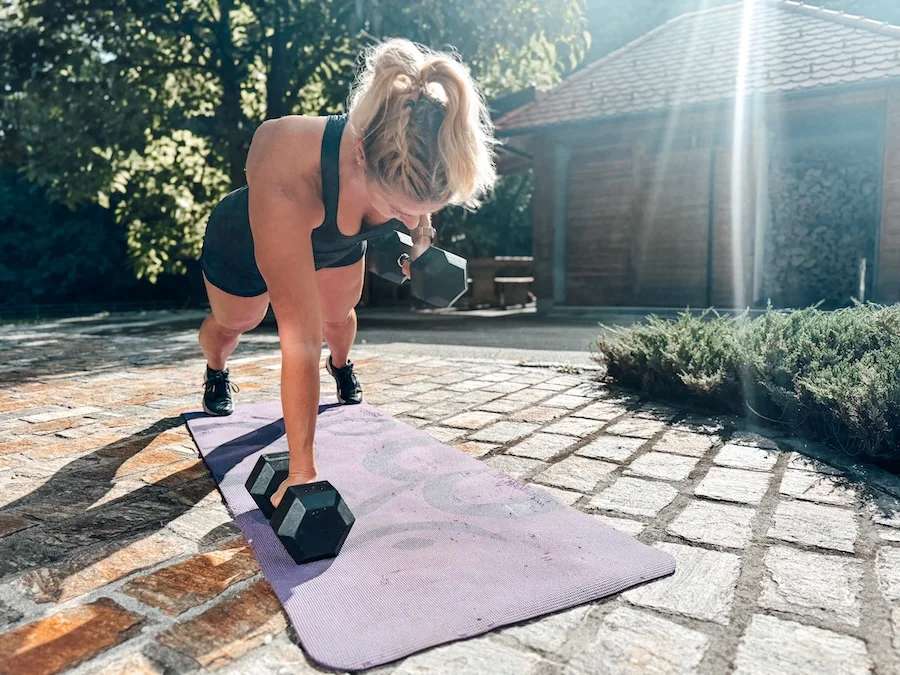
Plank Shoulder Taps: Improve stability, coordination, and core strength all at once.
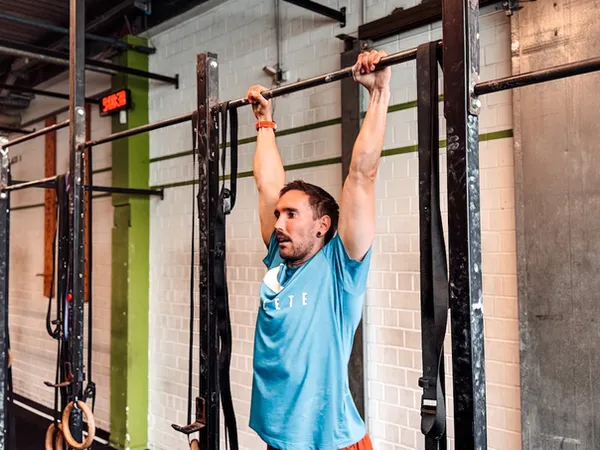
Dead Hangs: Simply hang from a bar and let your shoulders do the work. This exercise can improve grip strength, shoulder stability, and flexibility all at once.
For more strength
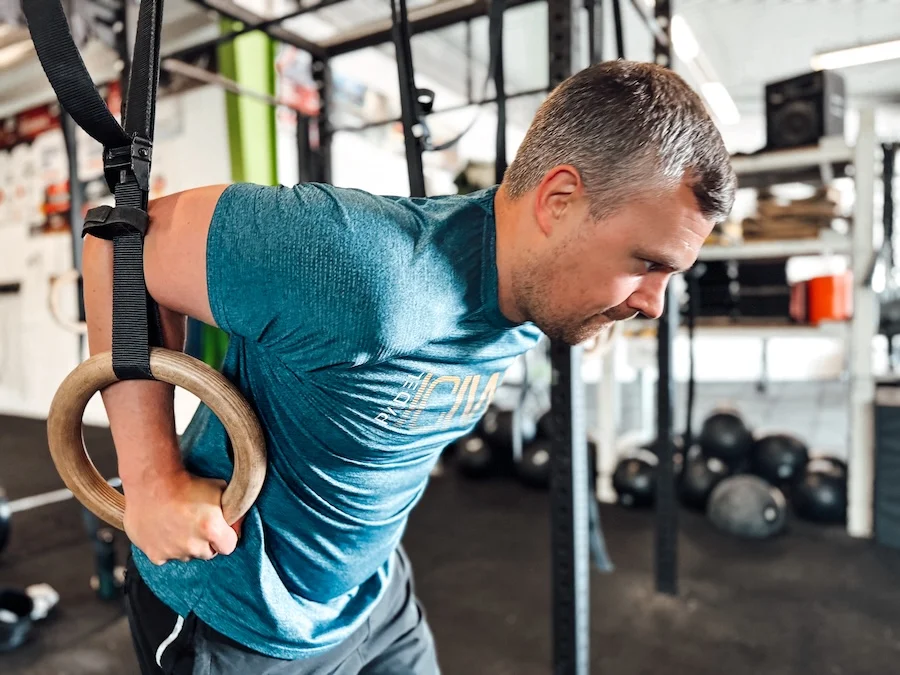
Ring Rows: These exercises target the entire posterior shoulder and back muscles.
Face Pulls: One of the most popular exercises for the rear deltoid and the rotator cuff.
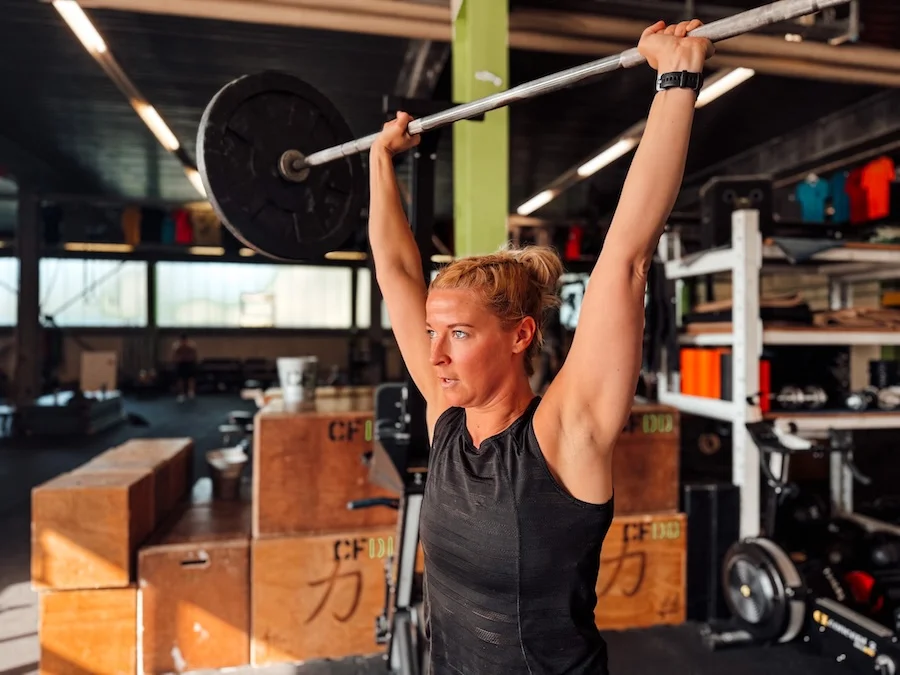
Strict Press oder Push Press: An excellent exercise for building controlled overhead strength.
Healthy shoulders don't just happen by chance
Our shoulders do an incredible amount every day—both in our daily lives and during workouts. That makes it all the more important to give them the attention they deserve.
To stay healthy in the long run, your shoulders need more than just strength. They need flexibility, stability, and a workload that matches your current fitness level.
The good news: You don’t have to completely overhaul your entire workout routine to achieve this. Even small changes can make a big difference.
The goal should be for your shoulders to still be able to handle whatever you feel like doing—even five or ten years from now.